
Share this
by Pinky Swear Foundation on Aug 6, 2026, 1:04:30 PM
Ringing the bell, being cancer-free, and even five years removed from all the treatment, there are still implications of childhood cancer. We talked with All-Star John's mom, Alice, who openly shared their experience in hopes of raising awareness of the long-term effects of childhood cancer.
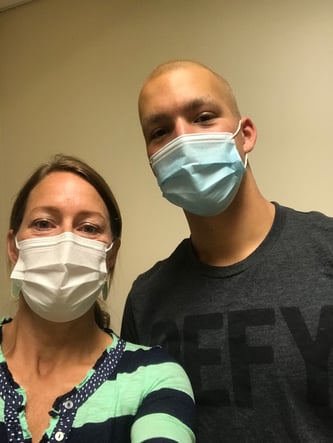 Diagnosis and treatment at age 16.
All-Star John was diagnosed with a brain tumor when he was 16 years old. He was ending his sophomore year of high school and was a valued member of the rowing team.
His symptoms came on very fast. He started getting bad headaches, double vision, and vomiting. At first, they said he had heat exhaustion and to buy some popsicles, but that did not feel right to his mom, Alice.
That night he was diagnosed with a Germinoma Brain Tumor via a scan. He had three surgeries right away and began chemotherapy and radiation.
John finished treatment and rang the bell five years ago.
Five years later, he is still impacted by his cancer diagnosis and treatment.
Unless you have personal experience in childhood cancer, it is easy to assume that treatment ends, hair grows back, and life goes back to normal. But that is not the case.
“When he was told he was in remission, that was the start of the second phase of his cancer battle,” explained his mom, Alice.
John’s tumor was right next to his hypothalamus, which regulates his hormones and can cause imbalances, including with his growth hormone and testosterone. So John has a series of annual medical appointments including neurological evaluations, ophthalmology, audiology, and endocrinology.
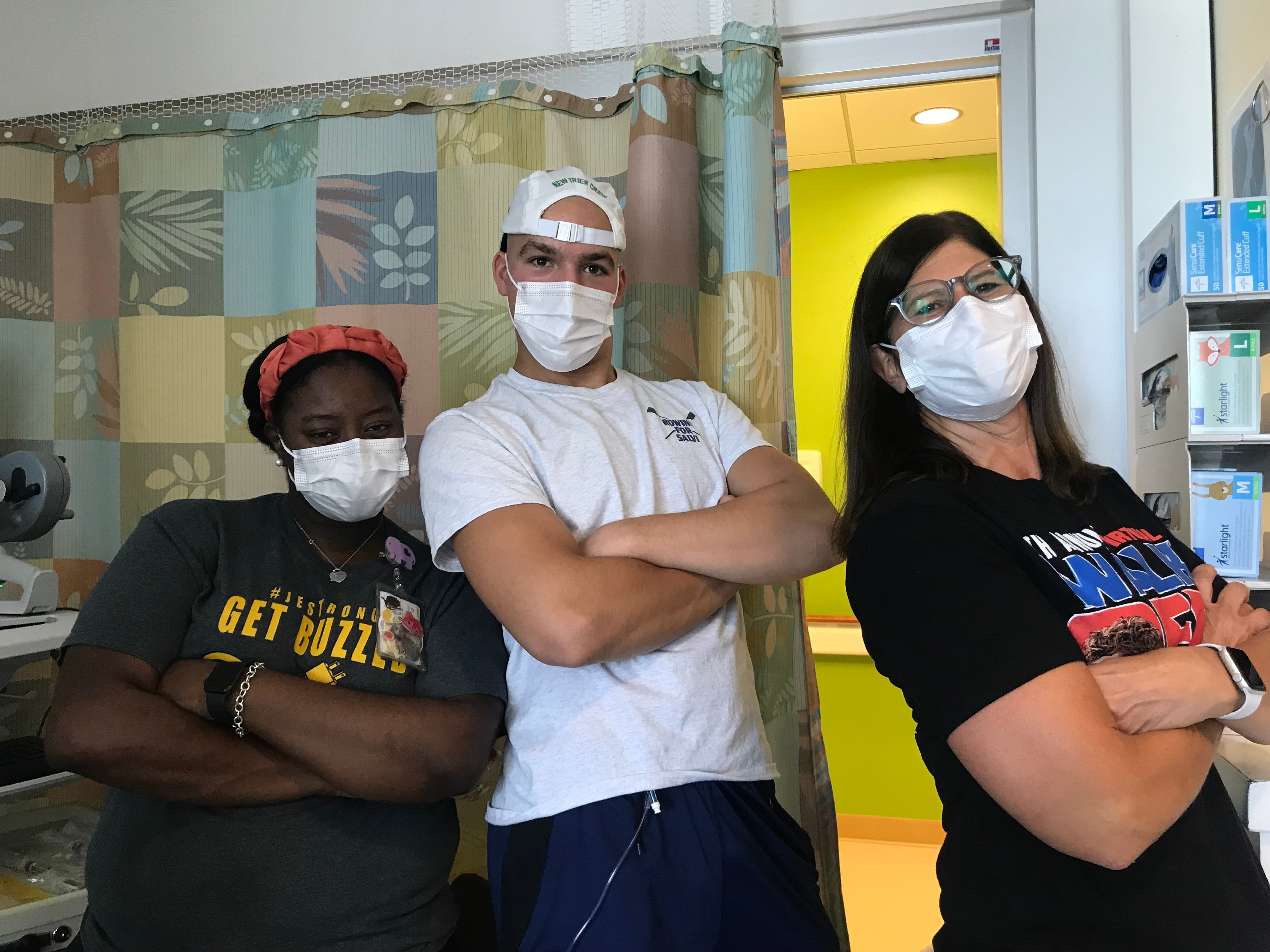
Alice went on to talk about visible side effects from John’s treatment.
“One of his eyes doesn’t track; when you look at him, he will be looking to the side. Sometimes he also experiences blurry vision. Radiation to the brain also causes memory loss, like suddenly losing his keys and other things like memory and recall," Alice said.
Ironically, they have also learned that the chemotherapies that John received can cause other cancers, blood cancers, and brain cancers.
“Those conversations with him are tough,” said Alice. “This is the potential. This is what can happen down the line.”
John has MRIs of his brain and spine to check for recurrence or other cancers, which he will have for at least 10 years.
Appointments are a constant reminder.
John is at Stanford University managing a full schedule of classes, while being a key member of the Stanford rowing team. His scans have to be taken on the same brand of scanner for consistency, so John has to travel home for these. Appointments are difficult to schedule and fit in.
For that reason, his scans can often be several months overdue, causing additional anxiety for him and his parents.
The worry doesn't go away. These appointments are a constant reminder of his cancer. His family is always on guard for what may come up as a side effect of the cancer or the treatment.
“When an older person has cancer with side effects, it is not as evident since they are usually deemed to be more normal for that age group,” explained Alice. “If cancer comes back for a young person, you are still young even 10 years later,” Alice said.
 A young man's goals affected by childhood cancer.
John’s wants to be an Olympic rower, and height is super important for the sport. Chemotherapy stopped John's growth, and even a few more inches could have made a real difference. Now, John has to work that much harder at his rowing because of his cancer.
John's story is a good reminder that families' struggle with cancer isn't over when the bell is rung. Keep an eye on our blog for more insights from Alice about the long-term emotional and financial implications of childhood cancer.
No Comments Yet
Let us know what you think