
Share this
by Pinky Swear Foundation on Aug 12, 2026, 10:00:18 AM
The emotional impacts of childhood cancer stay with you long after your hair has grown back and people stop asking how you are doing. They affect both the child and their entire family. Families consistently report continued anxiety and fear in the years after their child's treatment has ended.
We sat down with All-Star John's mom, Alice, and she vulnerably shared about the long-term emotional implications of childhood cancer.
Ending treatment anxiety
Ending treatment calls for a big celebration, but even then, there can be an underlying feeling that chemotherapy provided a level of comfort that action is being taken against cancer, and so when it stops, the fear of it coming back heightens.
John’s family shared those same feelings. “The implications run so deep,” Alice explained. “It’s a new life for him, a completely different way of living life from before the cancer diagnosis to after the cancer diagnosis. You want to be the normal kid, but you are forever changed.”
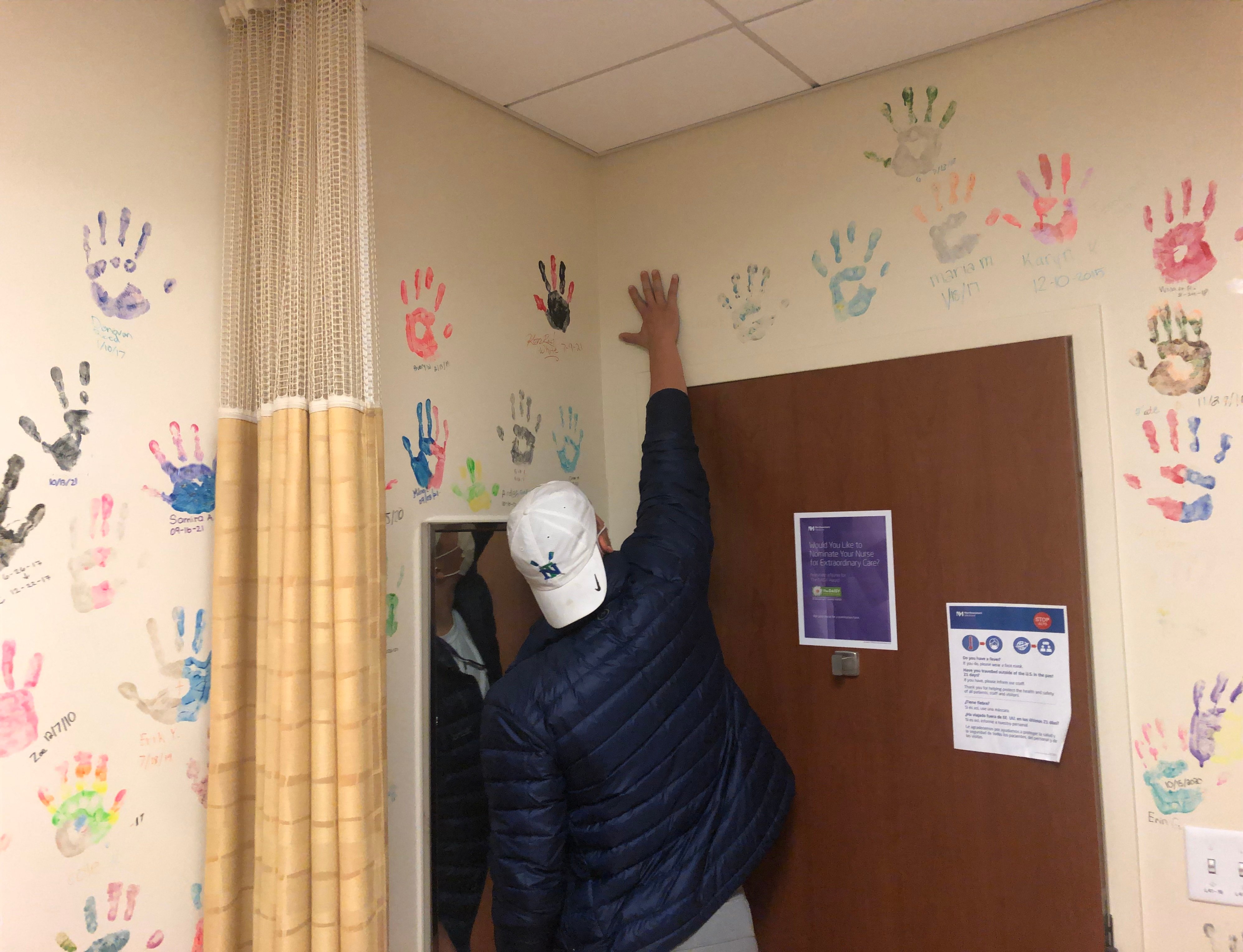
“Because of John’s personality, you never see it; you would never know," she continued. "He is an outgoing, fun-loving type of person, and he has not sat with it enough in my opinion. Eventually, he may want to marry and start his own family, and there are implications there. The implications are far-reaching and not widely understood or seen. I am constantly bringing myself back to the present and where we are today,” Alice said.
John doesn't like to talk about the side effects of his cancer diagnosis and continued annual appointments. Like many young people who have navigated childhood cancer, he wants to put it behind him and live a normal life that includes going to college, playing sports, getting internships, and having a girlfriend. The reality is - he can't put it behind him. He continues to have regular scans to check that the cancer has not returned, constant appointments, and faces the side effects of the cancer and the treatment.
John has to live with the realizations that his cancer treatment caused. He is a rower at Stanford University, and he wants to row for the USA team at the Olympics in 2028. He is aware of the practice time he missed while in treatment and the fact that he didn't reach his full potential height because of the chemotherapy drugs.
Those things matter when you are an elite rower. The difference between the rower who makes the Olympics and the ones who don't brings it down to about a fraction-of-a-second timing difference. Depending on the outcome, he might always wonder, "What if" he hadn't gotten cancer.
Family concerns heighten.
John's parents and siblings continue to struggle emotionally as well.
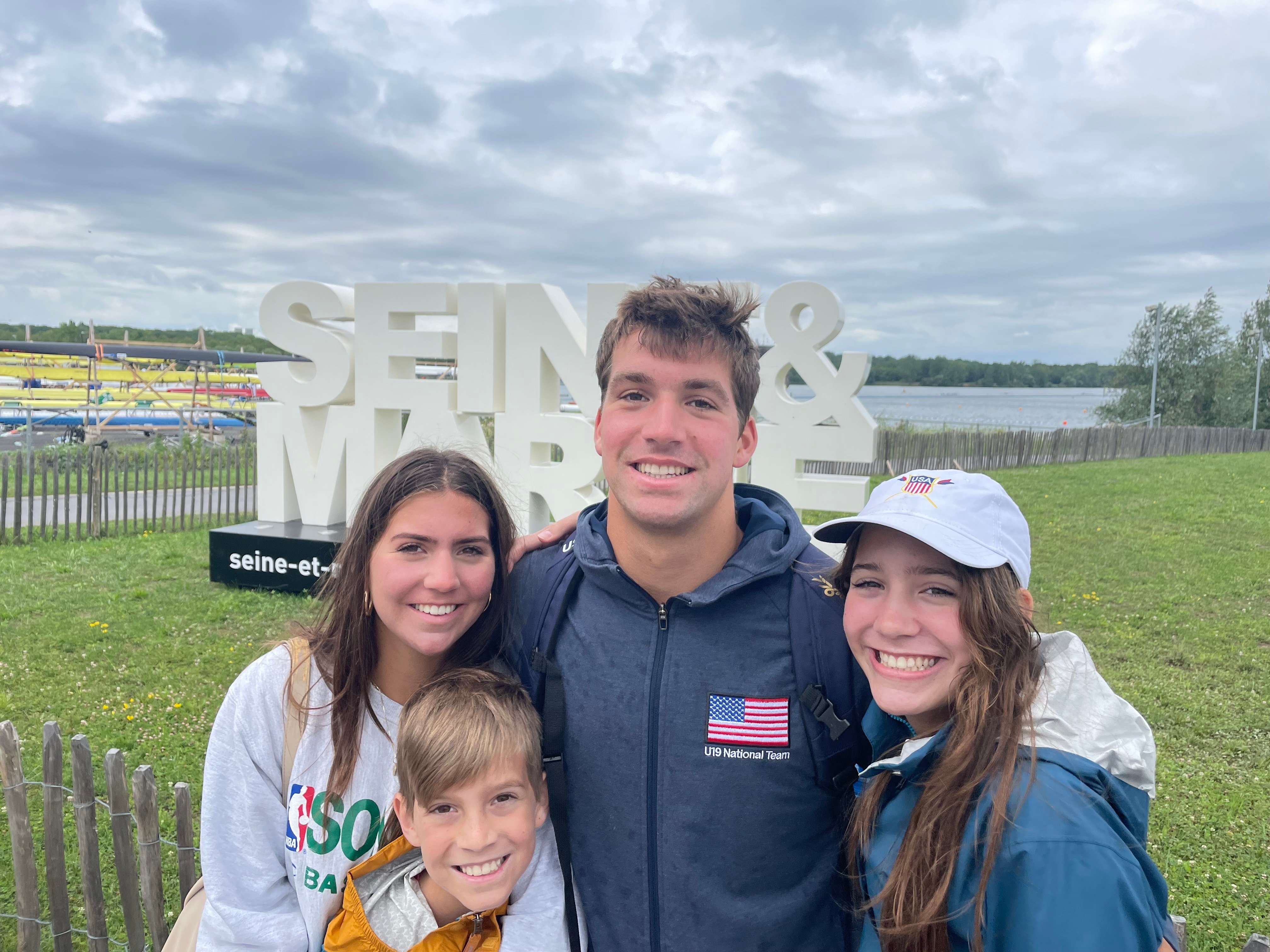
“In many ways I am still recovering from it all. It has a huge impact on your family – the other children, and your family as a whole. It is a lot to unpack,” said Alice.
She reflected on the time she spent away from her other three kids to care for John as he underwent treatment.
“I have a lot of guilt for not being there for my other three, especially when it was a really tough time for them; they were at hard ages. It was during Covid too, which is another level of difficulty. I had this feeling that they would see John as my favorite, since everything was always about John. That affects the other children. With teenage children, it’s about being around, and I didn’t feel present physically or emotionally,” she said.
It is hard to measure that kind of impact, but Alice feels it even now.
With John being away at college, it can be difficult to schedule his scans, which should be at the hospital where he was treated for consistency. His last one was several months overdue, which made Alice feel anxious.
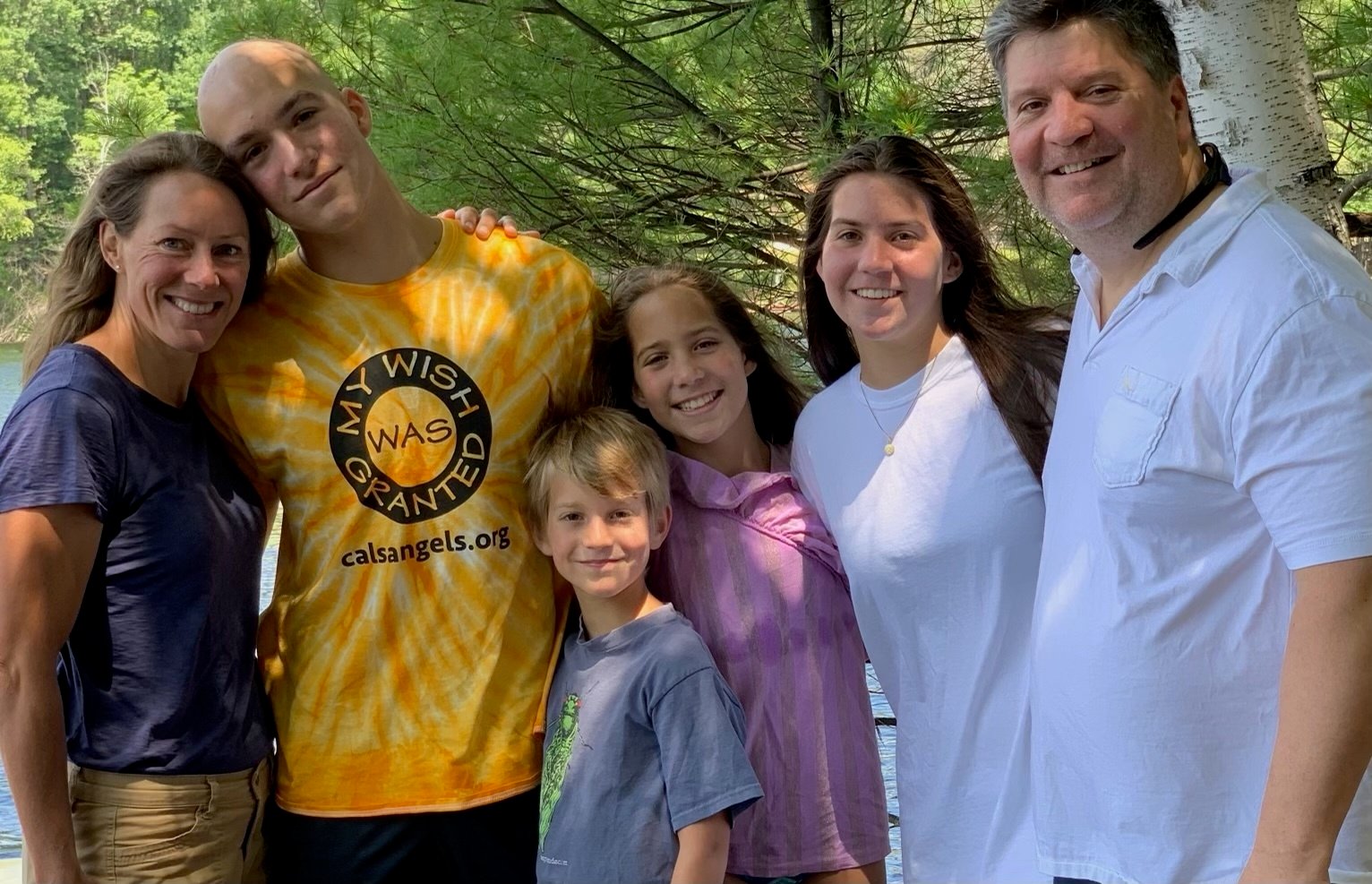
“It’s not just the treatment period or receiving your remission diagnosis; it’s a battle for the rest of your life, to stay healthy and be watchful. It’s a vigilance that you have to incorporate. Having foundations like Pinky Swear to support families is the most incredible gift because in the moment you feel so overwhelmed. You are not even capable of telling anyone what you need. Having someone just there is indescribable," Alice said.
Alice has taken to giving back and making a difference for other families through her struggles.
She has been drawn to supporting organizations that work with cancer patients and cancer research. "I've done five years of cycling, the Great Cycle Challenge, raising money for cancer research," she said. "And I feel called to do something to help families and kids for my job."
Alice shared with us about the physical implications of childhood cancer in an earlier blog you can read here.
No Comments Yet
Let us know what you think